
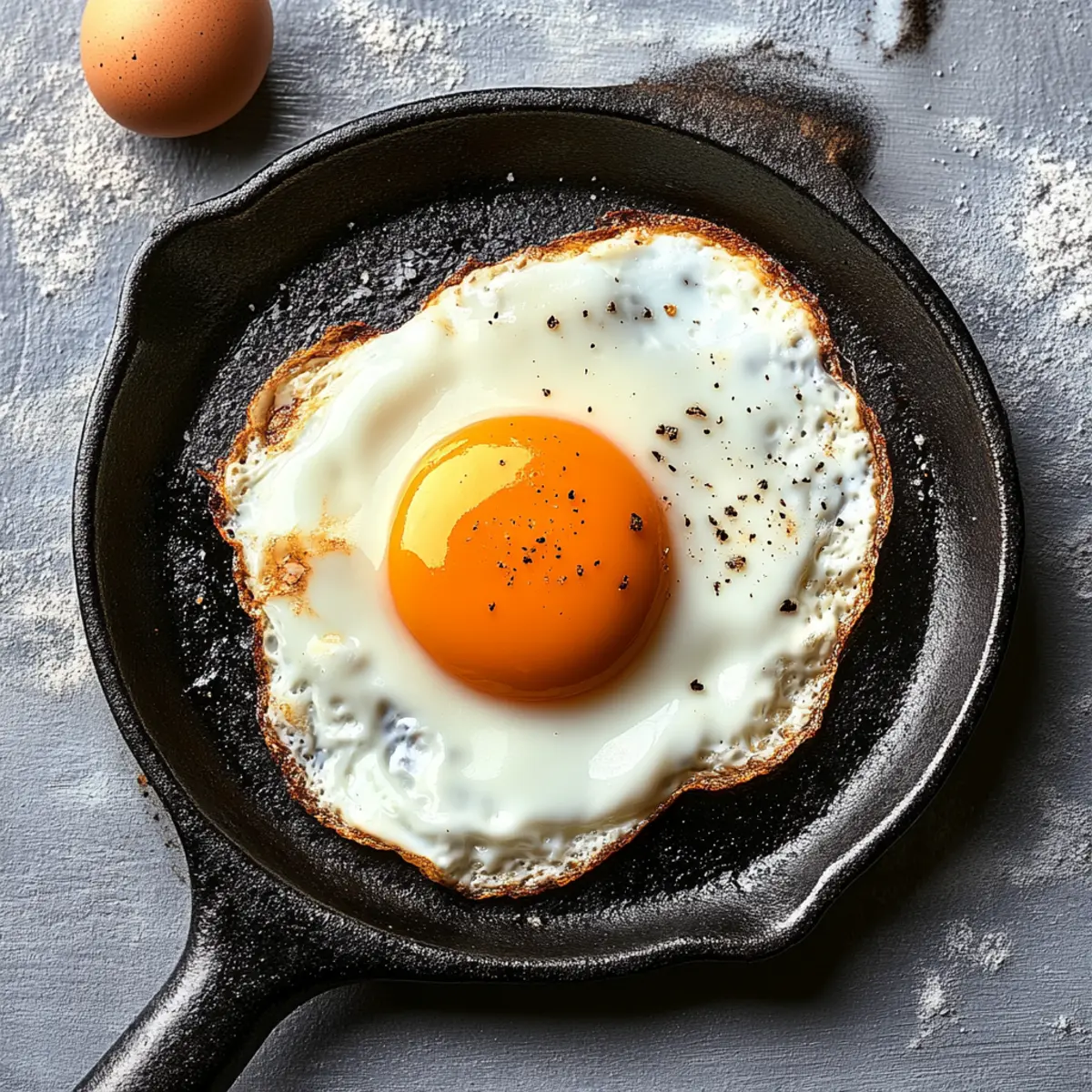
As I stood in my kitchen, the sound of a crack echoed through the air, followed by the gentle sizzle of an egg meeting a hot skillet. There’s something inherently satisfying about mastering the art of the fried egg, isn’t there? This Perfectly Fried Egg recipe ensures you achieve crispy edges with a tender yolk every time. Not only is it a quick and fuss-free option for breakfast, but it also adds a delicious twist atop toast, grain bowls, or even dinner dishes. With just a few simple ingredients, you're just minutes away from bringing a comforting classic to your table. Are you ready to elevate your frying game? Let’s dive into the marvelous world of fried eggs!
Why Are Fried Eggs So Loved?
Simplicity: This fried egg recipe is all about ease, requiring just one egg and minimal ingredients.
Versatility: Enjoy them for breakfast, atop toast, or even as a dinner companion with roasted veggies.
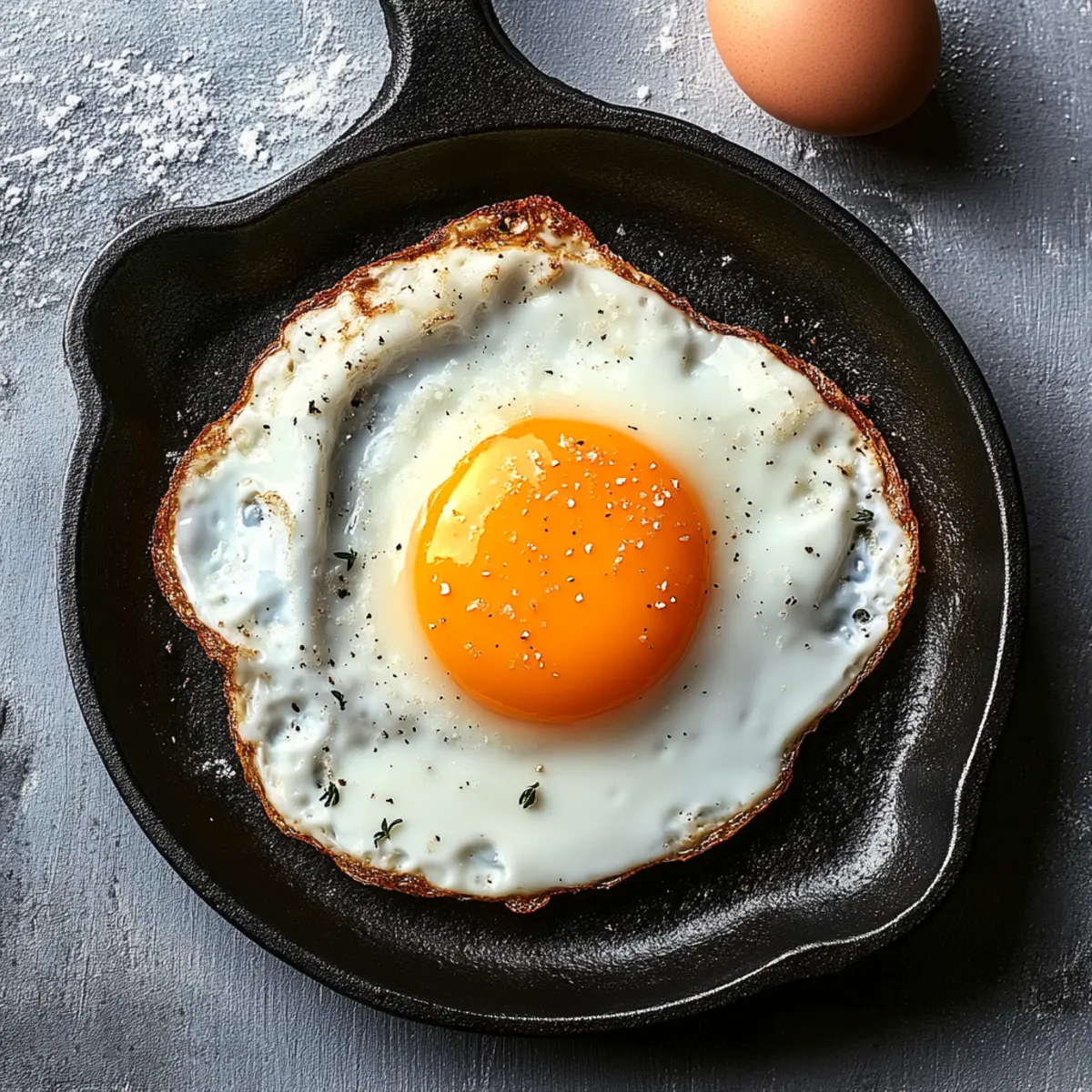
Perfect Texture: Achieve crispy edges and a perfectly runny yolk (or as firm as you like), making every bite delightful.
Crowd-Pleasing Appeal: Who can resist a beautifully fried egg? It’s a dish that brings comfort and joy to everyone at the table.
Quick Cooking: You’ll have your meal ready in just minutes, making it perfect for busy mornings! For more easy breakfast ideas, check out our quick breakfast recipes.
Fried Egg Ingredients
• Here’s everything you’ll need for your perfect fried egg experience!
For the Egg
- Large Egg – Use a fresh, large egg to ensure the best flavor and texture.
For Cooking
- Extra-Virgin Olive Oil or Butter – Choose butter for a richer taste or olive oil for a lighter, healthier option.
For Seasoning
- Sea Salt – A pinch enhances the egg's natural flavors, making each bite delightful.
- Freshly Ground Black Pepper – Adds a touch of spiciness; feel free to experiment with herbs or chili flakes for extra zest.
Ready to fry your egg to perfection? Let’s get cooking!
Step‑by‑Step Instructions for Perfectly Fried Egg
Step 1: Preparation
Start by cracking a fresh large egg into a small bowl. This allows you to control the pouring and avoid any eggshell mishaps. While doing this, ensure your skillet is nearby for a smooth transition. The bowl should be easily accessible, making it simple to pour the egg directly into the heated pan.
Step 2: Heating the Skillet
Place a nonstick or well-seasoned cast-iron skillet over medium heat. Add either extra-virgin olive oil or butter, allowing it to coat the bottom of the pan evenly. Heat the oil or butter until it shimmers or bubbles slightly, indicating it’s hot enough for frying. This step is essential for achieving crispy edges on your fried egg.
Step 3: Cooking the Egg
Once the skillet is hot, reduce the heat to low and gently pour the egg into the center of the pan. Let it sizzle softly without moving it, allowing the whites to set. After about one minute, cover the skillet with a lid to help the whites fully cook while keeping the yolk perfectly runny.
Step 4: Timing for Doneness
Continue to cook the egg for an additional 2-3 minutes, keeping an eye on the whites. When they turn firm yet tender and opaque, your sunny side up fried egg is ready. For over-easy, carefully flip the egg after these few minutes and cook for just 15 seconds for a runny yolk.
Step 5: Adjusting for Preference
For those who prefer a firmer yolk, flip the egg and cook it for 30 seconds to 1 minute depending on your desired doneness. The longer you cook, the more set the yolk will become. Adjust the timing according to your taste, ensuring the edges remain golden and crispy—this is key for a perfect fried egg!
Step 6: Serving Your Fried Egg
Once your fried egg reaches the perfect doneness, use a spatula to gently transfer it to a plate. Season it generously with sea salt and freshly ground black pepper, enhancing the flavors beautifully. Serve immediately while it’s warm, allowing the delightful texture of your perfectly fried egg to shine!
Expert Tips for Perfect Fried Egg
-
Oil or Butter Ratio: Use enough oil or butter to coat the pan generously, which prevents sticking and ensures those delicious crispy edges on your fried egg.
-
Low Heat is Key: After adding the egg, keep the heat low for even cooking. High heat can lead to burnt edges while leaving the yolk runny or overcooked.
-
Crack Carefully: Always crack your egg into a bowl first. It gives you better control when pouring into the skillet and avoids shell fragments in your dish.
-
Cover to Cook: Covering the skillet briefly after adding the egg helps the whites set beautifully while keeping the yolk tender, a must for a perfect fried egg.
-
Experiment with Timing: Adjust the cooking time to fit your taste preference—flip for over-easy, medium, or hard yolks. Know that more cooking means less runniness!
-
Fresh is Best: Fried eggs are best enjoyed fresh, but if you have leftovers, store them in an airtight container for up to 1 day and reheat gently to preserve texture.
Make Ahead Options
Cooking a fried egg can be a quick endeavor, but it's also perfect for meal prep! You can crack and separate the egg into a bowl up to 24 hours in advance, covering it tightly with plastic wrap to keep it fresh. This method allows you to avoid any last-minute scrambling in the morning. For busy weeknights, you can even prepare a batch of fried eggs, refrigerate them in an airtight container, and simply reheat them on low heat in a skillet or microwave. Although best enjoyed fresh, reheating gently ensures your fried egg remains just as delicious. When you're ready to eat, season your egg as desired and serve atop toast or in a grain bowl for a quick and satisfying meal!
Fried Egg Variations & Substitutions
Feel free to play with flavors and textures to create your ideal fried egg masterpiece that will tantalize your taste buds!
-
Herb-Infused: Add fresh herbs like chives or parsley to the skillet while cooking for an aromatic twist that brightens the dish.
-
Cheesy Delight: Top your fried egg with grated cheese such as cheddar or feta just before serving, allowing it to melt into creamy goodness.
-
Spicy Kick: Sprinkle chili flakes or drizzle your favorite hot sauce on top for a fiery burst of flavor that will wake up your palate.
-
Savory Umami: Add a dash of soy sauce or a sprinkle of nutritional yeast in the final minutes of cooking for a delightful umami flavor!
-
Vegan Option: Substitute the egg with silken tofu; season and fry until golden, achieving a deliciously crispy outer layer.
-
Baked Eggs: For something different, try baking your fried eggs in a ramekin with a splash of heavy cream, seasoning, and your choice of add-ins.
-
Multi-Egg Fry Up: Cook multiple eggs in a well-seasoned skillet for a crowd-pleasing breakfast! Just space them out and adjust cooking time accordingly.
-
Avocado Mash: Serve your fried egg on a bed of mashed avocado with lime juice for a creamy, nutritious meal that's trendy and tasty.
Ready to explore some fantastic combos? These variations guarantee that every bite can be uniquely crafted to satisfy your cravings! Don’t forget to check out our easy-to-make breakfast sides for some delicious pairings!
What to Serve with Perfectly Fried Egg
Elevate your meal experience by exploring delightful accompaniments that enhance the warmth of your fried egg.
-
Creamy Avocado Toast: The richness of avocado complements the crispy edges of the egg, adding a smooth, buttery mouthfeel that’s irresistible. It’s a combination that makes breakfast feel indulgent.
-
Sautéed Spinach: A quick sauté of fresh spinach adds vibrancy and a hint of earthiness, creating a colorful contrast that balances the dish beautifully. Toss in garlic for extra flavor—it's a match made in heaven!
-
Hearty Whole Grain Toast: Crunchy, toasted whole grain bread provides a hearty base for your egg, soaking up any runny yolk and delivering a satisfying crunch with every bite.
-
Roasted Cherry Tomatoes: A sprinkle of sweet, juicy roasted tomatoes offers a burst of flavor alongside your fried egg, bringing a fresh and slightly tangy note to the plate.
-
Crispy Hash Browns: Golden-brown hash browns add texture and a satisfying crunch, creating a delightful contrast with the tender yolk of your egg. Rain down a touch of hot sauce for zing!
-
Fresh Fruit Salad: Refreshing fruit adds a sweet and juicy brightness, offsetting the richness of the fried egg. A cornucopia of colors, it’s a beautiful way to round out your meal.
-
Espresso or Black Coffee: The bold flavors of coffee wake up your taste buds and pair well with the simplicity of a fried egg. Sip it slowly as you enjoy your breakfast—it’s the perfect start to the morning!
-
Simple Green Salad: A light salad of mixed greens dressed with lemon vinaigrette brings a crispness that complements the egg’s richness. Fresh herbs can add extra zing to each bite!
-
Zesty Pickled Vegetables: Tangy, pickled veggies on the side lend a delightful crunch and acidity that balance the richness of the egg, creating a well-rounded dish.
Indulge in these ideas to create a memorable meal that celebrates the humble fried egg!
Storage Tips for Fried Egg
Fridge: Store leftover fried eggs in an airtight container for up to 1 day to maintain freshness and flavor.
Reheating: When you're ready to enjoy your fried egg again, reheat gently in a skillet over low heat or in the microwave for about 15-20 seconds, ensuring you don’t overcook the yolk.
Avoid Stacking: If storing multiple eggs, avoid stacking them to prevent unwanted breakage and to keep the yolk intact.
Quality Check: Always check the texture and smell of leftover fried eggs before consuming to ensure they are still good to eat.
Fried Egg Recipe FAQs
How can I tell if the egg is fresh?
Absolutely! A fresh egg will sit upright in a bowl, while an older egg will lay flat on its side. You can also do the water test—if it sinks and lays flat, it's fresh. If it stands upright or floats, it's best to avoid using it.
What’s the best way to store fried eggs?
I recommend placing leftover fried eggs in an airtight container and storing them in the refrigerator for up to 1 day. When you're ready to enjoy them again, gently reheat in a nonstick skillet over low heat or in the microwave for about 15-20 seconds, making sure not to overcook the yolk.
Can I freeze fried eggs?
Yes, but it requires some extra care! To freeze fried eggs, allow them to cool completely, then place them in a single layer on a parchment-lined baking sheet. Freeze until solid, about 1-2 hours, then transfer to an airtight container or freezer bag for up to 3 months. To reheat, thaw in the fridge overnight and then warm gently in a skillet.
What if my fried egg sticks to the pan?
Very! If your fried egg sticks, it could be that the oil wasn't hot enough or there wasn't enough coating. Always ensure your skillet is preheated and generously greased with oil or butter before adding the egg. For future cooking, try using a nonstick skillet or increasing the oil quantity for a seamless release.
Are there any dietary considerations for fried eggs?
Fried eggs are primarily vegetarian, but if you have allergies, beware of cross-contact with shellfish or other allergens. For pets, it’s safe to give them cooked plain eggs in moderation, but avoid seasoning. If you're lactose intolerant, use olive oil instead of butter for a deliciously dairy-free option!
Can I use other types of oil or fat for frying eggs?
Absolutely! While extra-virgin olive oil and butter are classic choices, you can also experiment with coconut oil for a slightly different flavor, or avocado oil for a higher smoke point. Each will give a unique taste to your fried egg, allowing you to tailor it to your preference.

Fried Egg Bliss: Easy Tips for Perfectly Runny Yolks
Ingredients
Equipment
Method
- Crack a fresh large egg into a small bowl.
- Place a nonstick skillet over medium heat and add oil or butter.
- Once hot, reduce heat to low and pour the egg into the center.
- Cook for 2-3 minutes until whites are firm yet tender.
- For a firmer yolk, flip and cook 30 seconds to 1 minute.
- Transfer to a plate and season with sea salt and black pepper.
Leave a Reply